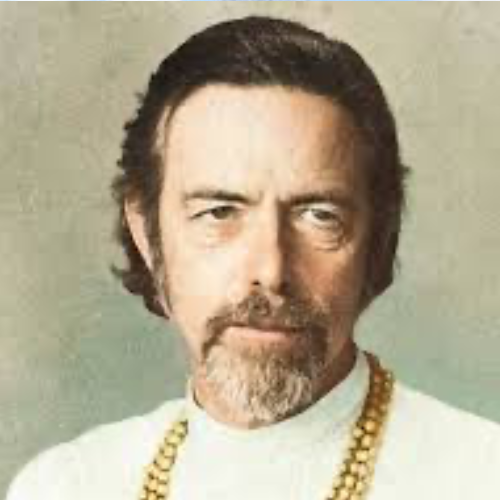
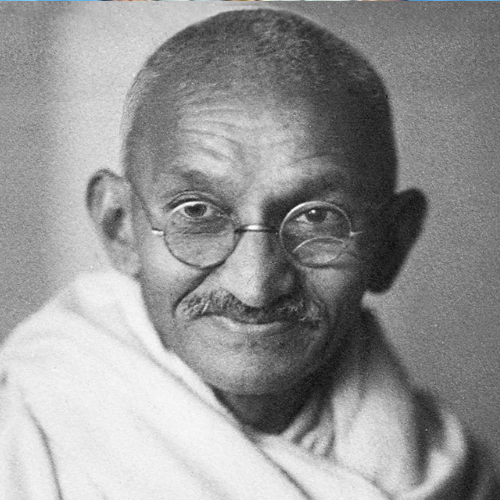
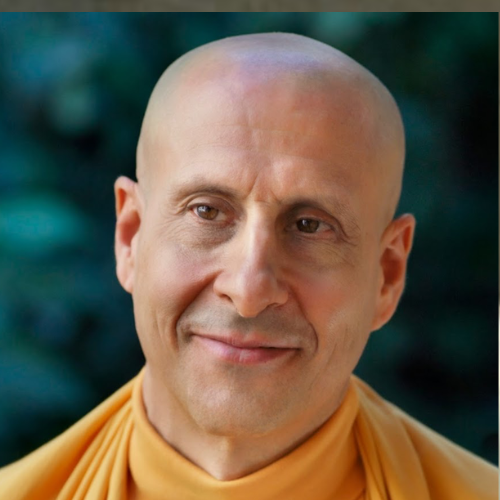
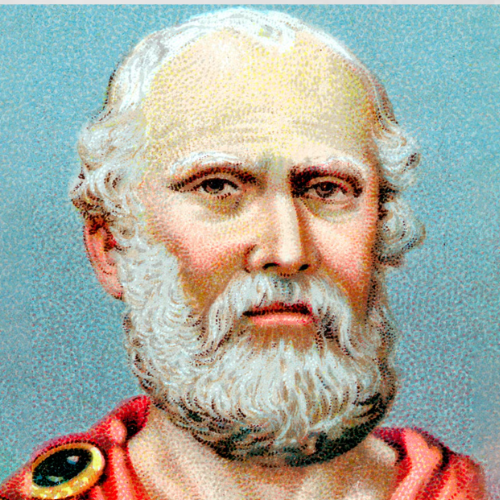
An American essayist, philosopher, and poet, Emerson was a leading figure in the transcendentalist movement, advocating for the inherent goodness of people and nature. He emphasized individualism, self-reliance, and the importance of spiritual intuition over formal religion. His essays and lectures challenged societal norms and encouraged individuals to trust their inner wisdom, promoting the idea that personal insight leads to higher consciousness.
A prominent figure in the lineage of Kriya Yoga, this individual is celebrated for revitalizing and spreading the ancient practice of Kriya Yoga in the modern era. Known for his simple and unassuming lifestyle, he was a householder who balanced his spiritual practices with everyday responsibilities. His teachings focus on the practical application of Kriya Yoga techniques to achieve inner peace, self-realization, and spiritual progress. Through his efforts, he made profound spiritual practices accessible to a broader audience, emphasizing the importance of direct experience and personal connection with the divine.
One of the most influential philosophers in history, he founded the first institution of higher learning in the Western world. His dialogues, featuring his mentor Socrates, explore profound questions about justice, virtue, the soul, and the nature of reality. He proposed the theory of ideal forms, influencing philosophical thought on metaphysics, ethics, and political theory for millennia.
A medieval German mystic and theologian known for his deep reflections on the nature of God, being, and the soul. He taught that the divine essence resides within each person and can be directly realized through detachment and inner stillness. His sermons and writings, though controversial in his time, have since inspired seekers of spiritual truth and influenced modern contemplative practices.
A 20th-century ethnobotanist and philosopher who explored the frontiers of human consciousness through plant-based psychedelics. He discussed shamanism, altered states of mind, and the role of visionary experiences in shaping culture. His lectures and writings encourage embracing mystery, creativity, and expanded perception to navigate modern life’s complexities and reconnect with nature.
A modern spiritual teacher who emphasizes the practice of self-inquiry and meditation to realize the true nature of the self. He teaches that through deep introspection and surrender, one can discover inner peace and live from a place of pure awareness. His teachings are inspired by Advaita Vedanta and offer profound wisdom on letting go of egoic attachments, allowing the experience of oneness with all existence and the divine.
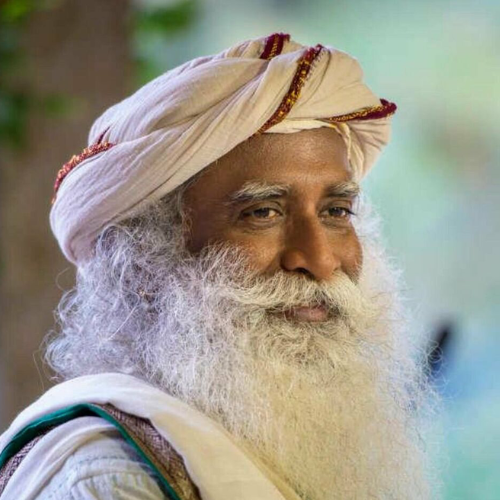
A contemporary spiritual teacher whose innovative methods and pragmatic approach to spirituality have touched millions worldwide. As the founder of the Isha Foundation, he has created transformative programs aimed at enhancing physical, mental, and spiritual well-being. His teachings emphasize inner engineering, self-awareness, and the ability to navigate life with grace and balance. A visionary thinker and environmental advocate, he bridges ancient wisdom with modern challenges, empowering individuals to achieve holistic growth and inner transformation.
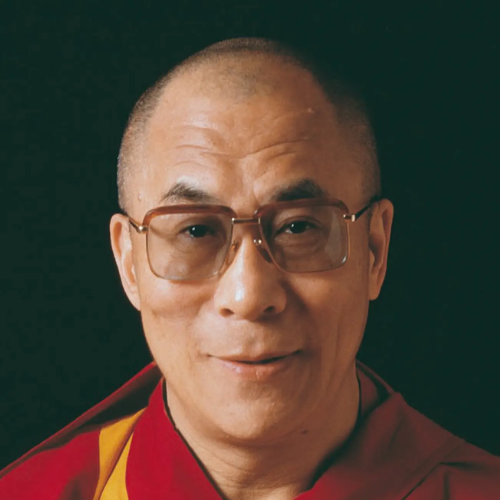
The spiritual leader of Tibetan Buddhism and a prominent advocate for peace, compassion, and nonviolence. As the 14th Dalai Lama, he has been a vocal proponent of human values, interfaith dialogue, and the pursuit of a more compassionate and harmonious world. His efforts in promoting Tibetan culture and autonomy, alongside his Nobel Peace Prize award in 1989, underscore his commitment to resolving conflicts through peaceful means and fostering mutual understanding among diverse communities.